Willy Wonka
Charlie and the Chocolate FactoryWilly Wonka is the world’s most famous chocolate inventor and maker, a dazzlingly secretive industrialist whose factory transforms chocolate from an ordinary confection into a realm of spectacle, desire, danger, and moral testing. He creates the contest that draws five children into his factory, personally conducts their visit, and ultimately chooses Charlie Bucket as the child capable of preserving his work.
Identity and Reputation
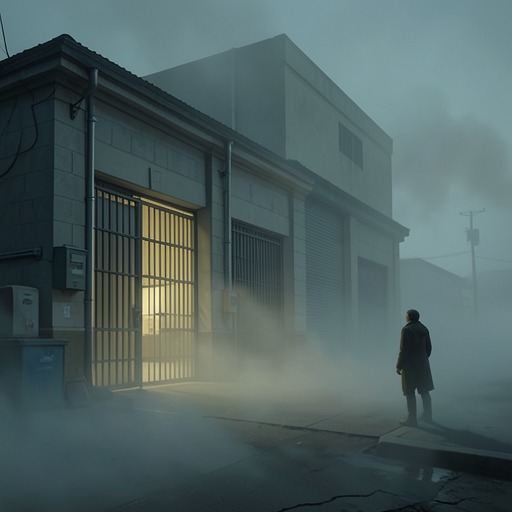
Willy Wonka is introduced through the hunger and imagination of Charlie Bucket. Charlie lives in poverty, longs for chocolate more intensely than for any other food, and must walk twice each day past the gates of Wonka’s factory, breathing in its rich chocolate scent. To Charlie, the factory is not merely a workplace: it is an enormous, inaccessible promise situated within sight of his home. Its iron gates, high enclosing wall, smoking chimneys, strange internal noises, and scent spreading for half a mile make Wonka’s presence felt even before he appears.
Grandpa Joe presents Wonka as an unparalleled creative force. He has invented more than two hundred kinds of chocolate bars, each with a different centre, and sends his products to all four corners of the earth, including the palaces of kings and presidents. His inventions exceed ordinary confectionery: he has devised chocolate ice cream that remains cold for hours without refrigeration and does not melt even when left in the sun. This reputation makes Wonka both a manufacturer and a figure of almost legendary ingenuity.
Yet Wonka has also been absent from public view. The newspaper describes him as the confectionery genius whom nobody has seen for ten years, a period that intensifies the mystery surrounding his factory. When the gates are finally opened, he stands alone just inside them, and the narrative announces him as an extraordinary little man before revealing his character through theatrical conduct rather than conventional biography.
The Golden Ticket Contest
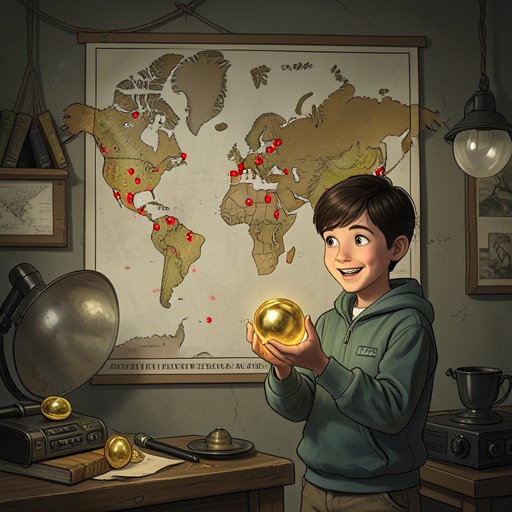
Wonka engineers the central public event of the story by announcing that five children will be admitted to his factory. Five Golden Tickets are hidden beneath the ordinary wrappers of five ordinary Wonka bars, and the bars may be located in any shop, street, town, country, or nation where his sweets are sold. The announcement therefore turns a product purchase into a worldwide hunt, using scarcity, secrecy, and chance to generate extraordinary attention.
The contest rapidly becomes a global buying frenzy. Adults purchase ten bars at a time and tear open the wrappers in sweet shops; children smash piggy banks for money; a gangster robs a bank of a thousand pounds and spends it all on Wonka bars. A supposed ticket in Russia proves to be a fake, while Professor Foulbody’s machine for detecting tickets without opening wrappers is destroyed after its mechanical arm attacks the gold filling in a duchess’s tooth. These episodes show how completely Wonka’s announcement captures public desire: chocolate becomes a vehicle for hope, status, obsession, and spectacle.
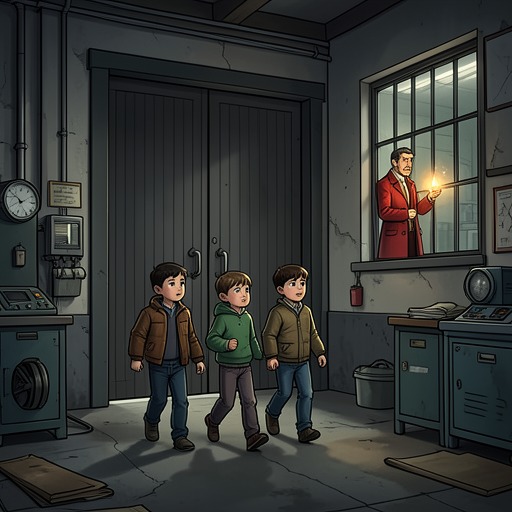
The newspaper headline declares that the factory will at last be opened to a lucky few, while the formal notice promises that the five winners will see its secrets and magic personally with Wonka. At the end of the tour, each child is to receive enough chocolates and sweets to last for the rest of life. The invitation also promises that large trucks will escort the visitors home with supplies for their households, and that a Golden Ticket can later be shown at the factory to refill a cupboard with whatever food is wanted. Wonka thus makes the prize both fantastical and materially powerful, linking wonder to permanent provision.
When Charlie Bucket finds the fifth ticket, the consequences are immediate. Reporters and photographers track down the finder and swarm into the Bucket home, producing several hours of pandemonium before Mr Bucket can send them away near midnight. Wonka’s contest has therefore made Charlie, his family, and the factory part of a media event before the tour even begins.
Factory, Workers, and Invention
Wonka’s factory is presented as the physical extension of his imagination. Its secrecy, scale, and strange sounds distinguish it from ordinary commercial production, while its products promise impossible effects and unprecedented pleasure. The factory’s marvels depend not only on Wonka’s inventive mind but also on a hidden workforce: the Oompa-Loompas, whom he says were imported directly from Loompaland.
Wonka describes Loompaland as a dangerous country of thick jungles and predatory Hornswogglers, Snozzwangers, and Whangdoodles. He says that the Oompa-Loompas once lived in tree houses, surviving on green caterpillars mixed with red beetles, eucalyptus leaves, and bark from the bong-bong tree. Above all, they craved cacao beans, the essential ingredient of chocolate, but an Oompa-Loompa might find only three or four in a year. Wonka claims that he offered the tribe unlimited cacao beans, chocolate, and even wages in cacao beans in exchange for moving to his country and living in his factory.
According to Wonka, the entire Oompa-Loompa tribe was transported in large packing cases with holes in them. He calls them wonderful workers, notes that they now speak English, and emphasizes their love of music, dancing, jokes, and songs. Their singing will recur during the factory visit, making the workforce part of the factory’s entertainment as well as its production. Wonka’s account presents recruitment as a bargain founded on abundance, but it also reveals his enormous power over the workers’ movement, living environment, labor, and public representation.
Wonka’s inventions are equally shaped by commercial fantasy. He imagines a television advertisement in which a viewer watches a commercial for Wonka’s chocolates and can simply reach out and take a bar from the screen. The idea converts advertising into direct delivery, collapsing the distance between desire, image, and possession. It also shows Wonka thinking of technological marvels as extensions of the brand: the miracle is not separate from chocolate sales but designed to make consumption immediate and universal.
Selection of Charlie Bucket
The Golden Ticket contest is eventually revealed to have a purpose beyond publicity. Wonka explains that he is an old man with no children and no family, and that he cannot run the factory forever. Someone must keep it operating, particularly for the sake of the Oompa-Loompas. He rejects the idea of handing the factory to an adult, arguing that a grown-up would not listen or learn and would insist on doing things in a different way.
Wonka therefore seeks a child: a good, sensible, loving child to whom he can disclose his most precious sweet-making secrets while he is still alive. The five-ticket system is a concealed selection process. The children are not merely guests receiving sweets; they are candidates being observed and assessed through the day. Wonka confirms that he invited five children because the one he liked best at the end would be the winner.
Charlie’s significance follows from the contrast between Wonka’s extravagant world and Charlie’s disciplined poverty. Charlie longs for chocolate, yet his family can afford only bread and margarine, boiled potatoes and cabbage, and cabbage soup. On his birthday, the family saves enough for one small chocolate bar. Charlie places it in a wooden box and makes the sixpenny bar last more than a month by taking tiny nibbles, treating it like solid gold. Wonka’s final choice consequently gives the factory to a child who understands both the overwhelming value of chocolate and the difference between desire and waste.
Wonka’s decisive significance lies in this transformation of spectacle into succession. He begins as an unseen genius whose products provoke a worldwide hunt, appears as the eccentric master of a sealed factory, and ends as the designer of a test for his replacement. By choosing Charlie Bucket, he offers not merely sweets or a tour but continuity: the factory, its secrets, its inventions, and its workforce are placed in the hands of the child he considers most worthy.